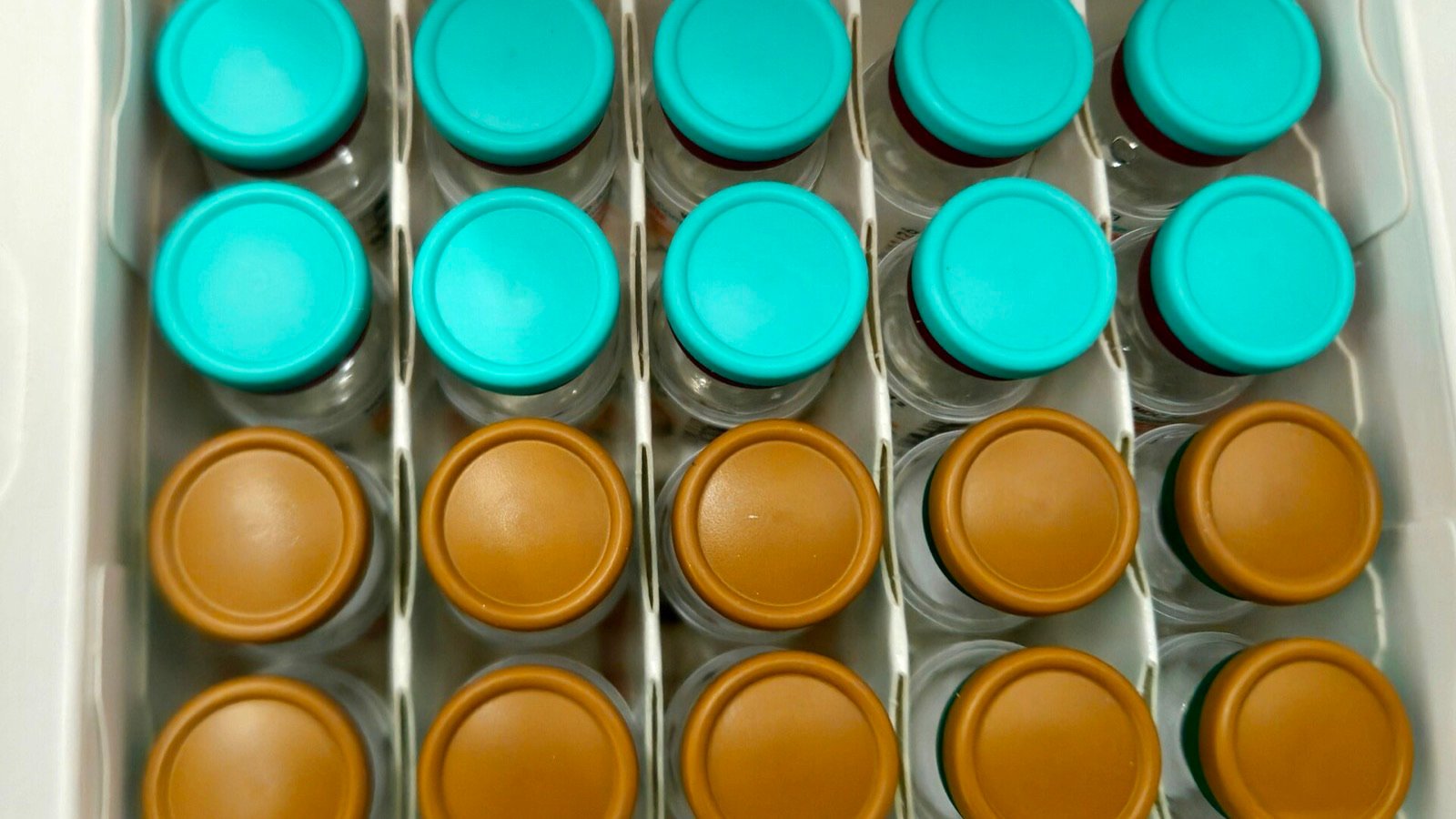
UNICEF and Gavi, the Vaccine Alliance, have negotiated a roughly 40% cut in the price of the RTS,S/AS01 malaria vaccine to EUR 5.50 per dose, a deal the two organizations say will save about US$50 million for childhood immunization programs between 2027 and 2029. Announced on October 22, the agreement with manufacturer Bharat Biotech is expected to take effect by early 2027 and could allow up to one million more children to receive the full four-dose course.
According to the Gavi announcement, UNICEF executed the agreement and Gavi is financially backing it, with an advance payment from the International Finance Facility for Immunisation (IFFIm) making the deal possible. The price is contingent on regulatory and manufacturing milestones, including World Health Organization (WHO) prequalification of a new manufacturing facility that will increase supply capacity; those milestones must be met before UNICEF begins procuring doses at the new price. Gavi said the price reflects the transfer of production from GSK, which developed the vaccine with PATH and partners, to a developing-country manufacturer.
Bharat Biotech, the Hyderabad-based company that now makes RTS,S under the brand name Mosqivac, confirmed the pricing in a statement reported by BioSpectrum India on October 23. GSK and Bharat Biotech have invested $200 million in new, higher-output manufacturing facilities, product development and technology transfer, the report said. Neither Gavi nor the company disclosed the current price from which the 40% reduction is calculated.
Demand for malaria vaccines has exceeded initial forecasts since rollout began in 2024, Gavi said. UNICEF has procured and delivered more than 74 million doses to date, and the Gavi-funded program is now part of routine immunization in 25 African countries that carry more than 70% of the global malaria burden. The Alliance’s target is to vaccinate 50 million more children by 2030.
“Today’s announcement is a powerful example of what the Vaccine Alliance does best,” said An Vermeersch, Gavi’s chief vaccine programmes and markets officer. Leila Pakkala, director of UNICEF’s Supply Division, called the agreement “an important step towards protecting more children from malaria”. Georgina Baker, IFFIm’s board chair, said: “Impact is at the heart of IFFIm’s mission.”
Why it matters
Malaria remains one of the largest killers of young children; Gavi said one child dies from the disease every minute. WHO’s malaria fact sheet estimates 282 million cases and 610,000 deaths in 80 countries in 2024, with the WHO African Region accounting for about 95% of both cases (265 million) and deaths (579,000), and children under five for about three-quarters of deaths in the region. WHO recommended broad use of RTS,S in October 2021 and a second vaccine, R21/Matrix-M, in October 2023. In phase 3 trials both cut malaria cases by more than half in the first year after vaccination, with a fourth dose prolonging protection, according to Gavi, and the four-dose course cuts cases by about 75% when given seasonally in areas of high seasonal transmission.
Price is the lever that decides how many of those children get the full course. A 40% reduction stretches a fixed immunization budget across more children or frees money for other vaccines, which is the choice Gavi said the savings will give countries. Gavi also framed vaccines as one tool among several, alongside insecticide-treated nets, vector control, chemoprevention and prompt diagnosis and treatment, and warned that climate change and flooding are expected to shift transmission patterns and displace communities.
What to watch
The savings depend on milestones that have not yet been reached: WHO prequalification of the new facility and the manufacturing scale-up it is meant to deliver. Until those are met, UNICEF continues to buy at the current price. Gavi tied the deal to its broader effort to shape a more sustainable and competitive malaria vaccine market, with two WHO-recommended products now available to the same programs.
The caveats
The figures on savings, doses and the number of additional children reached are projections from Gavi and UNICEF, not audited outcomes, and the announcement is a press release rather than a peer-reviewed analysis. The burden estimates are WHO modeled figures for 2024. The baseline price was not disclosed, so the 40% figure cannot be checked against a published price list, and the Bharat Biotech statement reached this publication through trade press coverage rather than a company page.
This article is for general information and does not replace advice from a qualified clinician. Corrections: email the editor using the address on the Contact page.