Huawei takes Watch D3 blood pressure watch to Dubai hypertension meeting
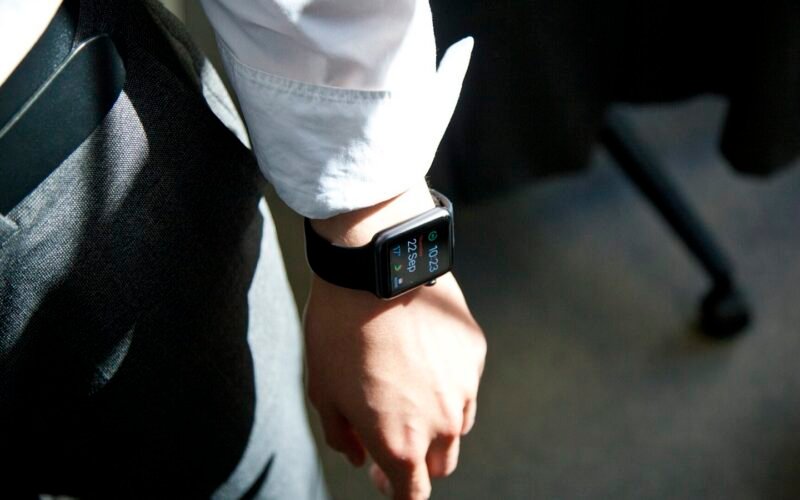
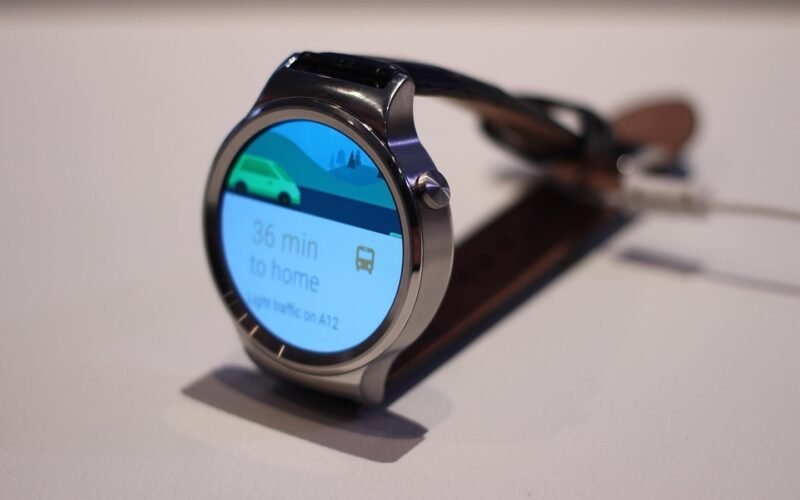
Huawei showcased its cuff-in-the-strap HUAWEI WATCH D3 at ISH-ECS 2026 in Dubai and is opening a research-only diabetes risk feature to Watch GT 7 owners, the company said.
Apps, wearables, telehealth, AI in medicine and the rules that govern them.
Huawei showcased its cuff-in-the-strap HUAWEI WATCH D3 at ISH-ECS 2026 in Dubai and is opening a research-only diabetes risk feature to Watch GT 7 owners, the company said.
Teladoc Health has built an ambient documentation tool and a contactless heart- and breathing-rate tool into Solo, its hospital telemedicine platform. One is available now; the other is in preview.
Google Health app 5.11 brings blood pressure and insulin resistance trends to the Fitbit Air for Premium subscribers. Google calls the trends wellness features, not cleared diagnostics.
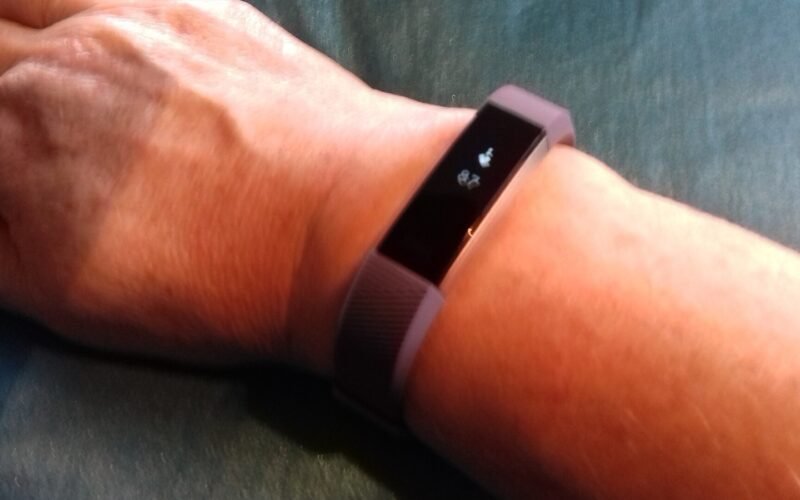
Google's Fitbit Edge, a $179.99 tracker between a band and a smartwatch, is in stores with an ECG app and Health Guardian trends that require a Google Health Premium subscription.
The HTI-5 final rule removes 14 of the 60 criteria used to certify electronic health record software and revises seven more, far fewer than the 34 removals proposed. Privacy and security criteria stay.
Quest Diagnostics told regulators an unauthorized party accessed patient records through Quanum Lab Services Manager, a portal clinicians use to order tests and view results. The number affected is unknown.
Epic's new Connectors let its Emmie, Art and Penny AI assistants look up information and complete tasks in outside apps such as meal ordering and wayfinding. Developer-built Connectors reach Epic Showroom in March 2027.
The American Medical Association has published a four-question governance framework for agentic AI in clinical care, saying an AI system's clinical authority must be earned through evidence.
A time-motion study at Singapore General Hospital found an in-house ambient AI scribe cut per-visit documentation time by 15% and raised eye contact, with consultation length unchanged.
Google's diagnostic chatbot interviewed 98 patients before urgent primary care visits at a Boston hospital with a physician watching each conversation. No safety stops were needed, but one hallucination was caught.