Teladoc Health said on Oct. 7 that it has added two artificial intelligence tools to Solo, the connected care platform it sells to hospitals and health systems: an ambient documentation tool called SoloScribe, which is generally available now, and a contactless vital-sign tool called SoloVitals, which estimates heart rate and breathing rate from a patient’s phone or tablet camera and is in private preview ahead of a full release expected in December.
The announcement, made in a company press release issued from New York, presents both tools as features embedded in a platform the company says is installed in more than 15,000 care locations globally, rather than as separate products. Solo integrates with the Epic and Oracle Health electronic health record (EHR) systems using HL7 and FHIR standards, according to the release.
What the two tools do
SoloScribe is an ambient AI scribe: it listens to a visit and produces structured clinical notes. Teladoc said it supports both direct-to-patient visits and visits conducted through its telemedicine devices, and that it generates a templated summary that is transferred into the EHR. The company described it as generally available.
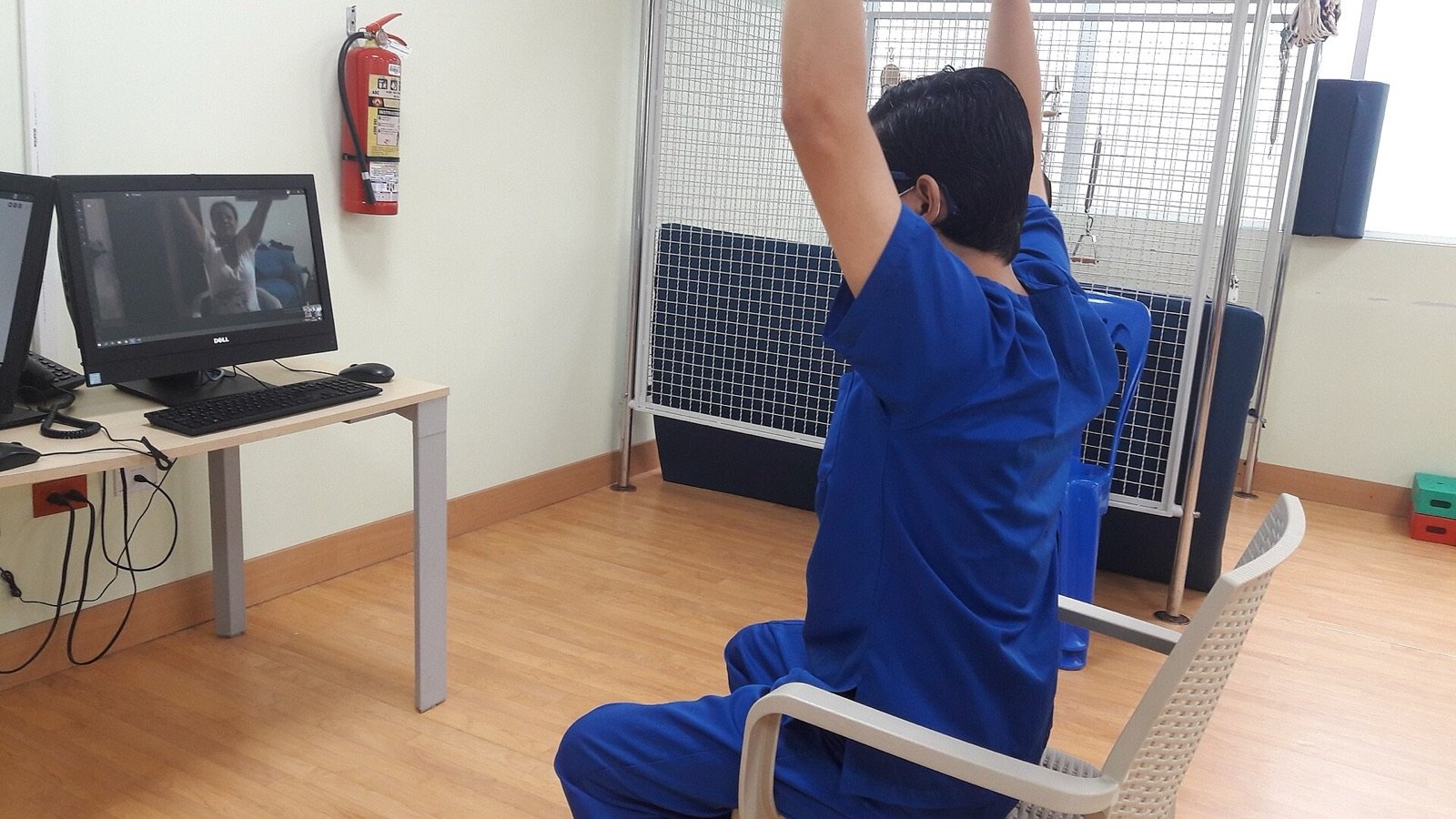
SoloVitals takes a different approach to remote monitoring. Rather than relying on a wearable or a connected cuff, it uses the camera on a patient’s existing smartphone or tablet and a technique called remote photoplethysmography (rPPG), which analyzes subtle changes in facial skin color, to measure heart rate and respiration rate during a remote consultation. Teladoc said the tool is in private preview for select customers, with full general release expected in December 2026.
“Health systems are under intense pressure to do more,” said Joby McKenzie, general manager of North American health systems at Teladoc Health, in the release, adding that the company “is extending care teams with embedded, clinically-validated AI, without the added complexity.” Danny Sanchez, Teladoc’s vice president of technology and innovation, said the approach “allows clinicians to remain focused on their patients and not on the technology.”
The release does not state a regulatory status for SoloVitals, and it does not cite published validation data for either tool.
A company under pressure of its own
The Solo expansion came three weeks before Teladoc reported third-quarter results that show why it is leaning on its hospital and health-system business. In results filed with the U.S. Securities and Exchange Commission on Oct. 28, the company reported revenue of $605.1 million for the quarter ended Sept. 30, down 3 percent from $626.4 million a year earlier, and a net loss of $26.9 million, narrower than the $49.5 million loss a year before.
Its Integrated Care segment, which includes the hospital business, grew revenue 2 percent to $398.5 million, while the BetterHelp therapy business fell 13 percent to $206.6 million as average paying users declined 12 percent to 336,000. Total visits were 4.0 million, down 2 percent. Chief Executive Officer Chuck Divita said in the results release that the company’s actions “are showing traction.” Among the Integrated Care developments the company listed were the expansion of hybrid care and AI-enabled solutions and the rollout of Teladoc One with early launch partners.
Why it matters
Hospitals that already run Teladoc’s telemedicine devices now have an ambient scribe built into the platform they use for virtual visits, without a separate vendor contract. Whether that is an advantage depends on how the notes compare with those from dedicated scribe products, which the release does not address.
Camera-based vital signs are a bigger step. If rPPG measurements prove reliable in everyday use, a patient on a video visit could have heart and breathing rates captured without any device being shipped to them, which would lower the cost of remote monitoring. For now, Teladoc has released no accuracy figures, and the tool is limited to a small group of preview customers.
What to watch
Teladoc expects the full release of SoloVitals in December 2026. Its fourth-quarter guidance, issued Oct. 28, calls for revenue of $569 million to $615 million and Integrated Care revenue growth of 0 to 3.8 percent, which will show whether hospital products are offsetting the decline in consumer therapy.
The caveats
This is a company announcement, not a peer-reviewed evaluation. Teladoc describes its AI as “clinically-validated,” but the release includes no study data, no accuracy figures for SoloVitals and no statement on whether the vitals tool has been cleared or authorized by the U.S. Food and Drug Administration. The release also does not say how, or on whom, the camera-based measurements were tested.
This article is for general information and does not replace advice from a qualified clinician. Corrections: email the editor using the address on the Contact page.