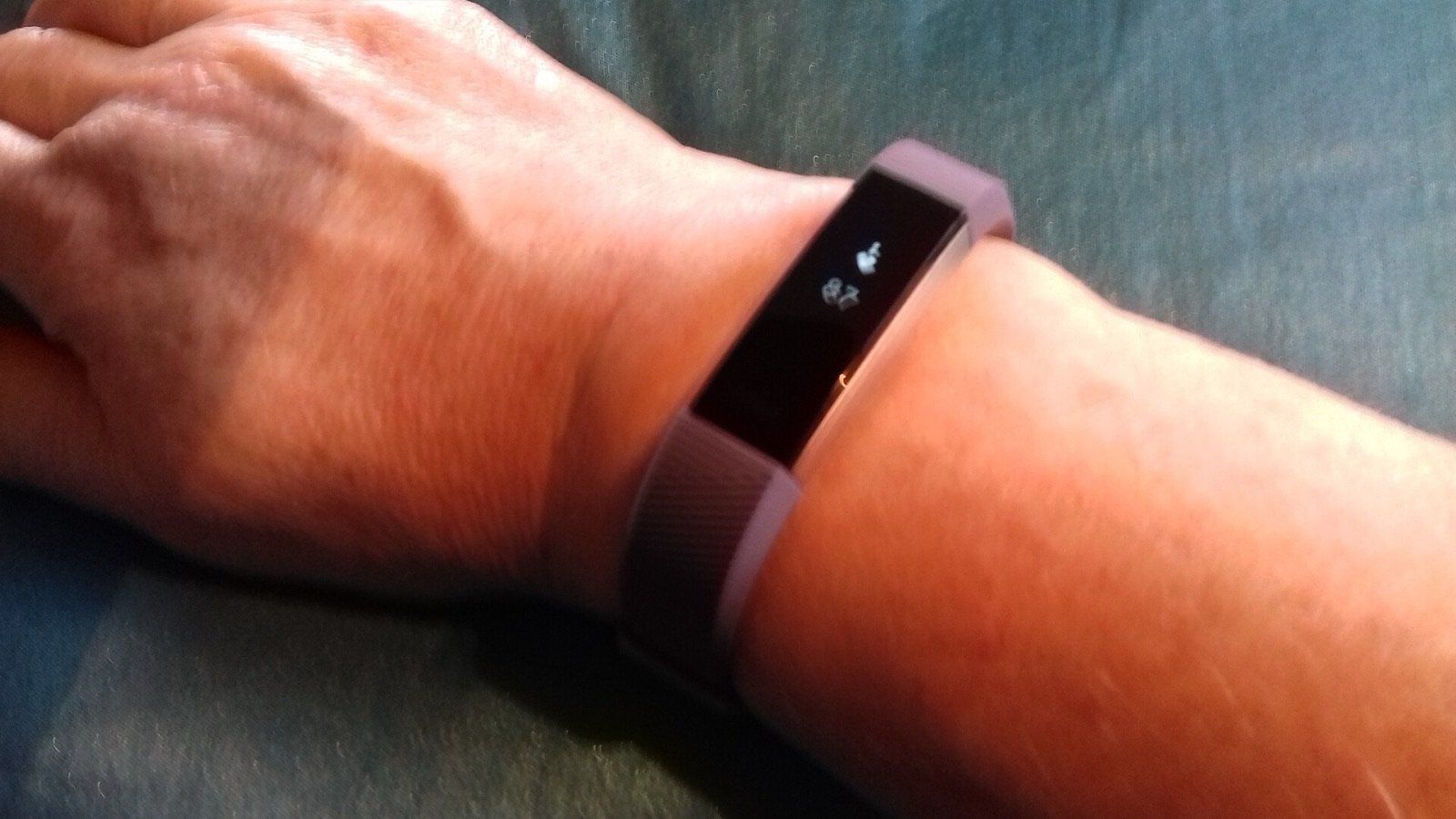
Google’s Fitbit Edge, a $179.99 fitness tracker the company positions between a screenless band and a full smartwatch, reached store shelves on Oct. 27 after pre-orders opened on Oct. 12, with the first reviews published a day earlier. The device carries an on-wrist electrocardiogram (ECG) app and feeds Google’s Health Guardian trend reports, but the trends sit behind a Google Health Premium subscription and are described by Google as wellness features, not diagnostics.
Google announced the Edge in an Oct. 12 blog post by Ryan Krems and Noah Presler, product leads for Google Wearables, calling it “our all-new smartest fitness tracker ever.” A Stephen Curry special edition costs $219.99, and every purchase includes three months of Google Health Premium, which otherwise costs $9.99 a month or $99.99 a year, according to BGR.
Hardware and sensors
According to Google, the Edge has a hybrid OLED display with 46 percent more viewing area than previous Fitbit trackers, an 11.5 mm case made with recycled aluminum, water resistance to 50 meters, and battery life of up to seven days, with a five-minute charge providing about a day of use. Google calls it “our first repairable fitness tracker,” with a replaceable battery. It works with phones running Android 11 or later and iOS 16.4 or later, and comes in Obsidian, Fog, Olive and Canyon.
Google lists optical heart-rate monitoring, an on-wrist ECG app available in select countries, a skin temperature sensor, heart rate variability and sleep-stage analysis, GPS that the company says is up to 40 percent more accurate than before, and an integrated altimeter. Google’s post does not mention blood oxygen. BGR’s review, published Oct. 26, lists red and infrared SpO2 sensors alongside the ECG electrodes, a far-field skin temperature sensor, accelerometer, gyroscope and ambient light sensor, and notes that the altimeter is new for this generation. BGR’s reviewer, Christian de Looper, found the seven-day battery claim “about right in my usage,” with roughly two days when the always-on display is enabled, and measured the display at 1.34 inches against 1.04 inches on the Fitbit Charge 6.
What the Edge lacks defines its position as much as what it has. BGR reports no NFC chip, so no Google Wallet payments, no microphone or speaker, no cellular or Wi-Fi, and no dual-band GPS; the tracker shows notifications but cannot take calls. Heart rate is logged at two-second intervals, versus one-second intervals during exercise on the Charge 6, which the reviewer said could reduce accuracy during interval training.
Health Guardian on a tracker
With a Premium subscription, Google says the Edge supports three Health Guardian features: blood pressure trends, insulin resistance trends, and high and low heart rate alerts, along with a Health Coach that Google says can interpret pattern shifts, adapt fitness plans and provide context for conversations with a doctor. BGR reports the coach is Gemini-based and offers adaptive weekly plans, photo-based meal logging, sleep coaching and medical-record summaries, and that some alerts were not available at launch.
Google’s own footnotes draw the regulatory line. The trends are “intended for general wellness and informational purposes only and not intended to diagnose, treat, cure, or prevent any medical condition,” the company says, and the insulin resistance and blood pressure trends “are not a prescreener for diabetes, hypertension respectively.” The ECG app is “not intended for use by people under 22 years old,” and Google’s announcement does not state a regulatory clearance for it. BGR summarized Google’s position as a general wellness feature rather than FDA-cleared diagnostics, one that is “not designed to screen for hypertension or diabetes.” In its September announcement of the same trends for the Pixel Watch, Google added that they “do not provide real-time clinical readings” and “should not be used to adjust medications or treatment plans, or used by individuals who are pregnant.”
The Edge arrives alongside version 5.11 of the Google Health app, which Droid Life reported expands automatic activity detection from about 10 to as many as 100 activity types; the Edge was due to receive that capability on Oct. 27.
Why it matters
The Edge is the clearest sign yet of how Google intends to sell health features on inexpensive hardware: the sensors ship in the box, but the monthly trend reports and the coach require a subscription that, over a year, costs more than half the price of the device. For consumers, the three-month trial means the full feature set lapses unless they pay.
For clinicians, monthly blood pressure and insulin resistance trend reports on a sub-$200 tracker with an ECG app mean more patients will bring wearable-generated summaries to appointments. Google’s disclaimers say those reports should not be used to diagnose or to adjust treatment, which leaves the interpretation to the doctor.
The caveats
Pricing, battery life and sensor claims come from Google’s announcement, and the independent figures come from a single review at one outlet. Google has not published validation data for the trend features on the Edge, and the ECG app’s country availability and regulatory status are not spelled out in the announcement. The SpO2 sensor appears in BGR’s hardware list but not in Google’s post.
This article is for general information and does not replace advice from a qualified clinician. Corrections: email the editor using the address on the Contact page.