Adults enrolled in a two-year weight-management program lost about as much weight when they drank diet beverages every day as when they drank water, according to results of a randomized trial at the University of Liverpool published in the peer-reviewed British Journal of Nutrition. The trial was funded by the American Beverage Association, a trade group for soft-drink makers, which the researchers say had no control over the analysis or reporting.
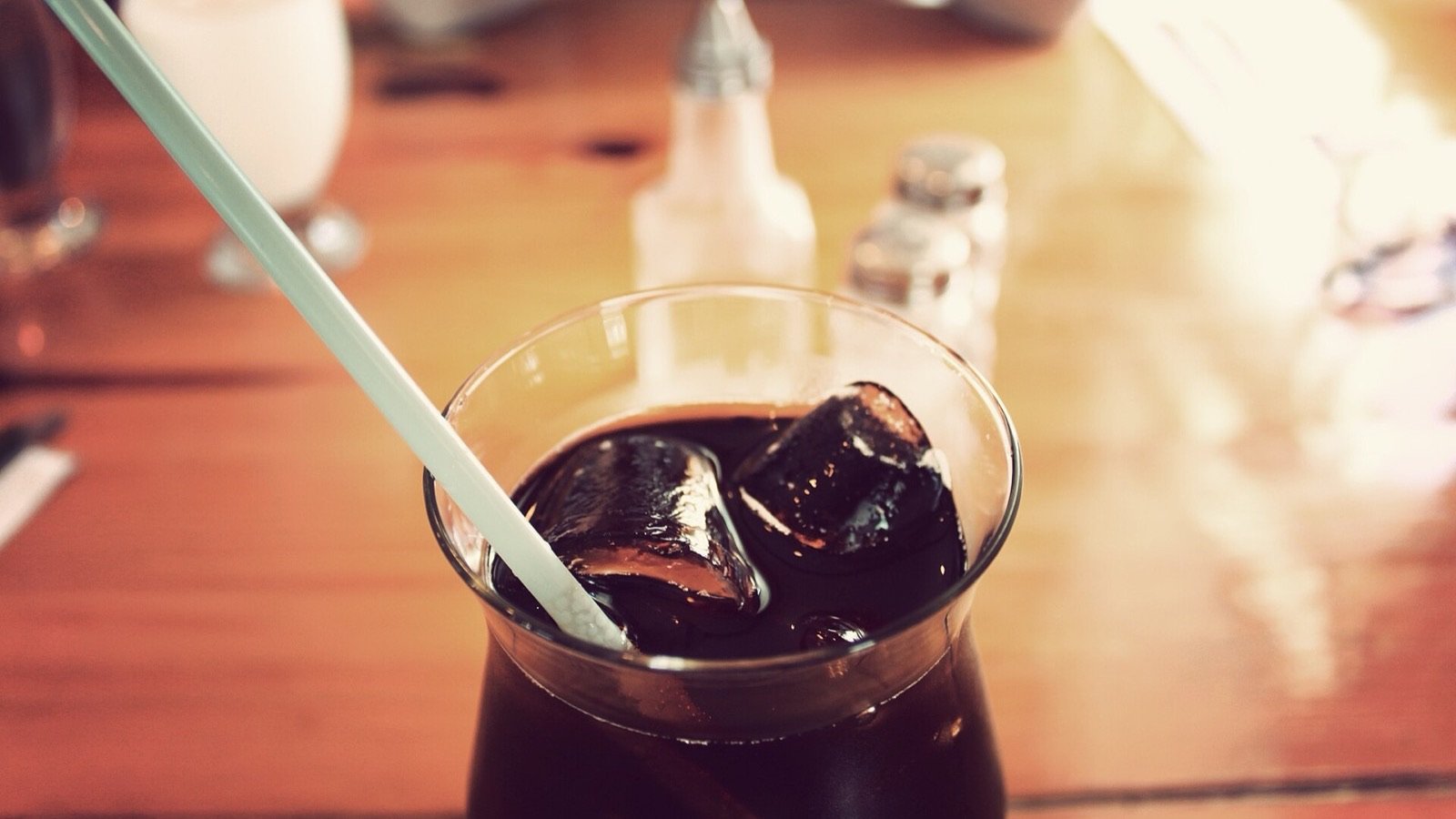
The SWITCH trial enrolled 493 adults with overweight or obesity and assigned them at random to drink either water or commercially available diet beverages sweetened with aspartame, acesulfame potassium or sucralose, at levels the researchers say were within European Food Safety Authority limits. According to the study summary filed with the UK Health Research Authority, participants had a body mass index of 27 to 35, were split almost evenly between the two groups (246 water, 247 diet drinks) and were asked to consume two 330-milliliter servings of their assigned drink each day. Those in the diet-drink group were also allowed to drink water.
All participants took part in the same group behavioral program: 12 weeks of weekly meetings aimed at weight loss, 40 weeks of monthly meetings to support maintenance, and a final 52 weeks with no assisted meetings. At 104 weeks, the diet-drink group had lost an average of 4.8 kg and the water group 3.7 kg, a difference the authors say was not statistically significant. Both groups held on to their losses through the unassisted final year.
The picture at earlier time points was more mixed. The Health Research Authority summary reports that at 52 weeks the diet-drink group had lost significantly more weight than the water group, a gap the authors describe as not clinically significant, and that by 104 weeks the groups were equivalent. Waist and hip circumference fell in both groups at every time point and most metabolic markers improved. The same summary notes some between-group differences in secondary outcomes, including a larger rise in total cholesterol in the diet-drink group at 104 weeks, while the university’s release says there was no clinically meaningful difference in blood pressure or cholesterol between the sweeteners and water.
Attrition was substantial: 383 participants completed the 12-week assessment, 262 the 52-week assessment and 220 the 104-week assessment, according to the registry summary. The ClinicalTrials.gov record lists the American Beverage Association as a collaborator, names change in weight at 52 weeks as the primary outcome, and shows the trial ran from July 2016 to February 2024.
Why it matters
The results land in the middle of a live policy debate. The researchers frame the trial as a response to World Health Organization guidance that advised against using non-sugar sweeteners for weight control, guidance they say rested largely on observational studies. Lead author Joanne Harrold, dean of psychology at the University of Liverpool, said in the university’s statement that “concerns about sweeteners disrupting appetite or causing weight gain are not supported” and added, “We hope this evidence informs future WHO guidance and public health policy.”
For clinicians running weight-management programs, the trial suggests that whether patients chose water or a diet drink made little difference to two-year weight outcomes when both were paired with structured behavioral support. Jason Halford, professor of biological psychology and health behaviors at the University of Leeds and formerly of Liverpool, said, “This study provides the long-term clinical evidence that has been missing from international discussions.” The researchers also reported that sugar intake fell in both groups, slightly more in the diet-drink group.
The caveats
The study was paid for by the American Beverage Association. The researchers state that the team operated independently of the funder and retained full control over analysis and reporting, but readers should weigh the funding source. Fewer than half of the participants completed the two-year assessment, and because the diet-drink group could also drink water, the contrast between arms is not a clean one. The university’s release does not report confidence intervals, and it does not describe the appetite findings that gave the trial its name. The registry record lists 505 people enrolled against the 493 reported as randomized. Earlier results from the same trial were published in the International Journal of Obesity in 2023, according to ScienceDaily.
This article is for general information and does not replace advice from a qualified clinician. Corrections: email the editor using the address on the Contact page.