The World Health Organization (WHO) and INTERPOL on October 16 signed a cooperation agreement that pairs the police organization’s law enforcement network with WHO’s public health role across five areas: chemical, radiological and biological incidents; health threats at major events and mass gatherings; trafficking of people for organ removal; falsified medicines and other illicit health-related goods; and tobacco control. The agreement was announced in a joint release datelined Geneva and Lyon.
“Crime and health are increasingly interconnected,” INTERPOL Secretary General Valdecy Urquiza said in the release, adding that the agreement helps INTERPOL work with WHO to protect communities and bring those who threaten them to justice. “Health security is global security,” WHO Director-General Tedros Adhanom Ghebreyesus said, describing the collaboration as strengthening the two bodies’ collective ability to “prevent harm, respond to emergencies, and protect people” from threats to health systems and public trust.
According to WHO, the agreement creates a framework for INTERPOL’s law enforcement expertise and WHO’s public health leadership to work together on preventing, detecting and responding to risks to life worldwide. Both organizations also said they would help countries identify these threats, protect consumers and strengthen international frameworks. The full text of the agreement was published alongside the release in English and French.
What the agreement covers
The two releases list five areas of joint work:
- Health and security incidents. Coordinated action in exceptional situations, including suspected misuse of chemical or radioactive materials and unusual biological events, whether natural, accidental or deliberate.
- Major events. Coordination around international events and mass gatherings to help countries prepare for and respond to health threats.
- Organ trafficking. Efforts against trafficking of people for the purpose of organ removal and the illegal trade in human organs, tissues and cells.
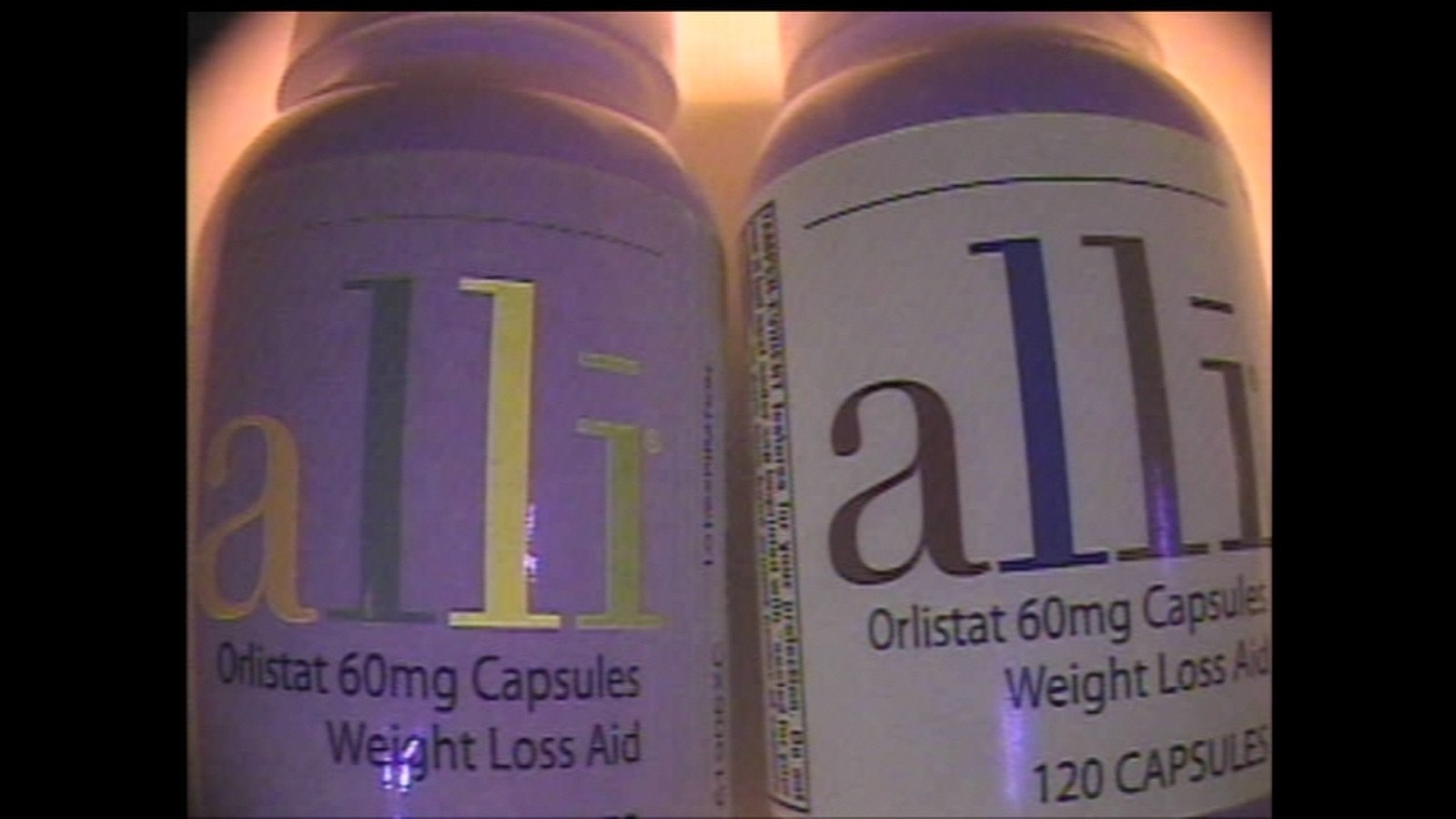
- Illicit goods. Action on falsified medical products, including medicines, vaccines and medical devices, as well as counterfeit personal protective equipment, unsafe or fraudulently labelled food and drink, and illegally produced alcohol.
- Tobacco control. Support for implementing the WHO Framework Convention on Tobacco Control.
Why it matters
Falsified and substandard medical products are a documented problem rather than a hypothetical one. WHO’s fact sheet on the subject, updated in December 2024, says at least one in 10 medicines in low- and middle-income countries is substandard or falsified, based on a 2017 WHO estimate that one in 10 failed quality-control tests, and that countries spend an estimated US$30.5 billion a year on such products. WHO has run a Global Surveillance and Monitoring System to collect reports of them since 2013. Tracing and dismantling the supply chains behind those products is police work, and the agreement gives WHO a standing channel to an international police organization for that purpose.
The other strands cover situations where health and security responses have usually run on separate tracks: a suspected chemical or radiological release, an unusual biological event, a disease threat at a mass gathering, or the cross-border trade in organs, tissues and cells. The agreement commits the two organizations to coordinate in those situations, and it extends INTERPOL’s support to implementation of the WHO Framework Convention on Tobacco Control, the WHO treaty on tobacco. The INTERPOL release said the organization’s aim is both to protect communities and to pursue those who threaten them, which places criminal investigation alongside public health response as an explicit goal of the partnership.
What to watch
Neither release gives a timetable, a budget or operational detail such as joint operations, data-sharing arrangements or staffing, and neither describes earlier cooperation between the two organizations. The agreement’s text, published with the releases, sets out the scope, but the announcements do not say when joint activities begin. How the framework is put into practice, and whether it produces visible results such as seizures of falsified products or coordinated responses at major events, will determine its significance.
The caveats
The announcements describe a framework for cooperation and state intentions rather than results. The figures on falsified medicines come from WHO’s own estimates, the most recent of which dates from 2017. This story is based on the two organizations’ releases and WHO’s fact sheet; no independent assessment of the agreement was available at the time of writing.
This article is for general information and does not replace advice from a qualified clinician. Corrections: email the editor using the address on the Contact page.