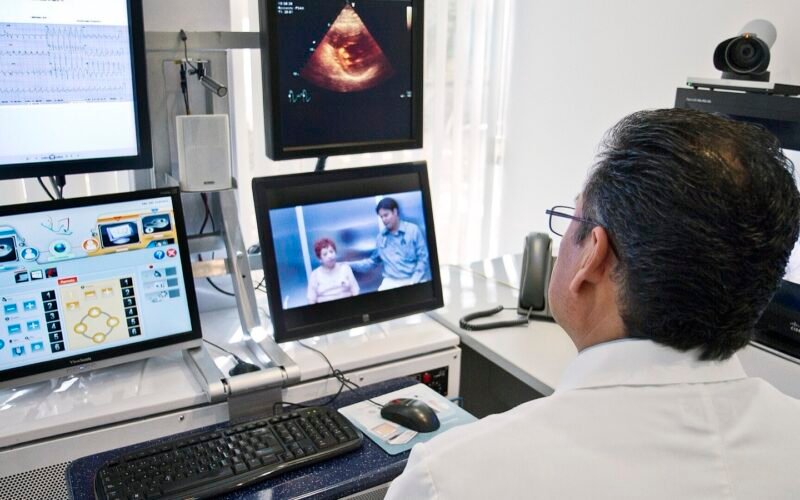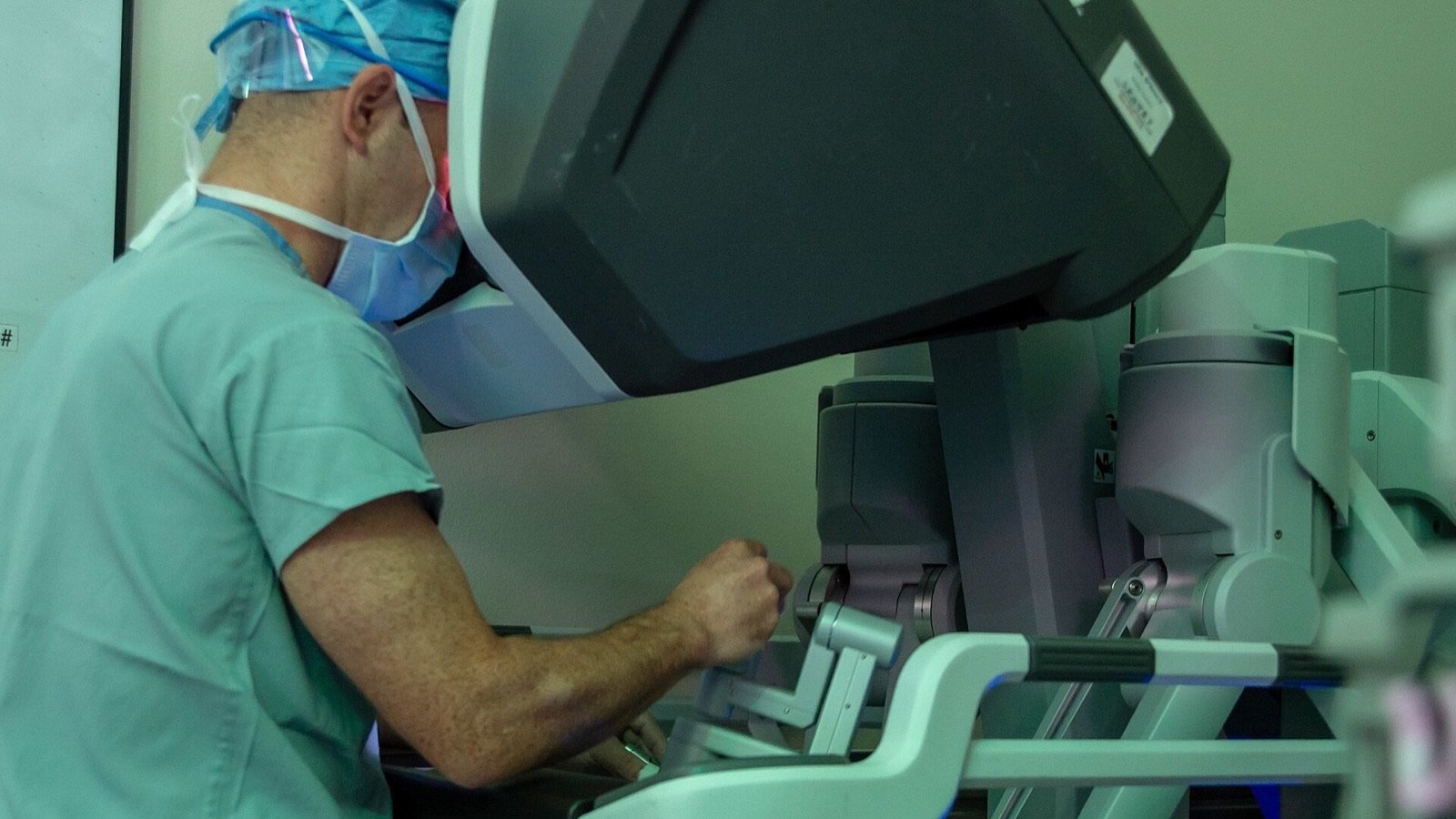
The UK government’s Budget on October 28 gave the National Health Service (NHS) in England a further £190 million for 2026-27 to manage winter pressures, pledged £100 million to accelerate robot-assisted surgery, and commissioned an independent review of NHS productivity and artificial intelligence that will report in early 2027. Health bodies welcomed the measures but said the winter money was small against the pressures facing hospitals.
“The Budget provides a further £190 million in 2026-27 for the NHS in England,” the Budget document published by HM Treasury says, “to manage the additional pressures it is facing over the winter,” alongside 25 new or expanded urgent care sites opening in time for winter. The government “will invest £100 million to accelerate the adoption of robotically assisted surgery across England,” with the aim of an increase in robotic procedures “from 70,000 a year today to 500,000 in 2035,” supported by what the document calls a world-leading national robotics registry. The Budget also removes VAT on medicines donated free of charge.
The productivity and AI review
The Chancellor and the Health and Social Care Secretary have asked Mark Bailie to lead an independent review of NHS productivity and AI, reporting in early 2027 to inform the next spending review, according to the Budget document. In his Budget speech, Chancellor John Healey said the aim was for staff to “spend their time with patients and not on admin.” He also announced “a new deal for datacentres in the UK” intended to keep sensitive data under British control, saying: “When the NHS uses AI to treat patients, we want that data here.”
The Budget document sets out the government’s case on NHS efficiency. It says the NHS delivered efficiencies and savings worth over £10 billion in 2025-26, equivalent to 5.2% of its day-to-day budget, that agency staffing spend fell by £900 million, or 43%, compared with 2024-25, that the NHS App is helping more than 39 million users and that AI diagnostic tools have helped over four million patients receive faster lung cancer diagnoses or results. Healey said in the speech that the government is spending “£37bn more on health this year than in the last year of the previous” government.
Elsewhere, the document says Baroness Casey’s Independent Commission on Adult Social Care “will now report in 2027,” and restates the plan for a National Care Service providing personal care for older people in England. It also commits £100 million to establish an AI Biosecurity Lab working with the UK Health Security Agency, £50.5 million for bio-surveillance and a £14.5 million initial investment in novel medical countermeasures.
Pay and workforce
For NHS employers, the Budget’s other consequences are indirect, NHS Employers noted. The National Living Wage rises 3.9% to £13.21 an hour from April 2027, above the current £12.92 entry rate for Band 2 staff and the £13.17 Band 3 entry point, and tax-free mileage rates become permanently 55p a mile for the first 10,000 miles and 35p thereafter. Employer payments of the Immigration Skills Charge and sponsorship fees will no longer be treated as taxable benefits in kind for payments made on or after October 28.
Why it matters
The £190 million arrives weeks before winter. The Royal College of Emergency Medicine said emergency departments “across the UK are bracing for the worst” and warned that “the modest pot of money will be nothing more than a sticking plaster” unless it is directed at bed capacity and faster discharges, in a statement from its vice president, Dr Jason Long. More than 150 senior emergency doctors had recently voiced concern about the coming months, the college said.
Reactions compiled by Clinical Services Journal struck a similar note. Dr Jennifer Dixon, chief executive of the Health Foundation, said it was “never going to be a headline-grabbing Budget” and welcomed the productivity and AI review while calling for investment in testing AI and in basics such as modern facilities. Dr Stephen Harden, president of the Royal College of Radiologists, welcomed the review but said the UK needs 2,300 more radiologists and 230 more cancer doctors and that “AI cannot fill that gap.” Siva Anandaciva of The King’s Fund welcomed a new category of preventative public spending that could move the NHS toward “a health service rather than a sickness treatment service,” while warning that tight finances are forcing closures of services such as smoking cessation and sexual health clinics.
What to watch
The Bailie review’s report in early 2027 and the spending review that follows; the Casey commission’s 2027 report on adult social care; and whether the robotic surgery target, roughly a sevenfold increase in procedures by 2035, is backed by a delivery plan beyond the registry. NHS Employers also noted that if the 2027-28 pay award is not confirmed in time for April, it will discuss interim arrangements with government to keep entry-level pay above the new minimum wage.
The caveats
The robotic surgery money and the 70,000 baseline are stated in the Budget without a year for the baseline or a profile for the spending. The efficiency and productivity figures are the government’s own. The review has not yet started, and the reaction quotes were gathered on the day of the Budget, before the detail of the measures had been examined.
This article is for general information and does not replace advice from a qualified clinician. Corrections: email the editor using the address on the Contact page.