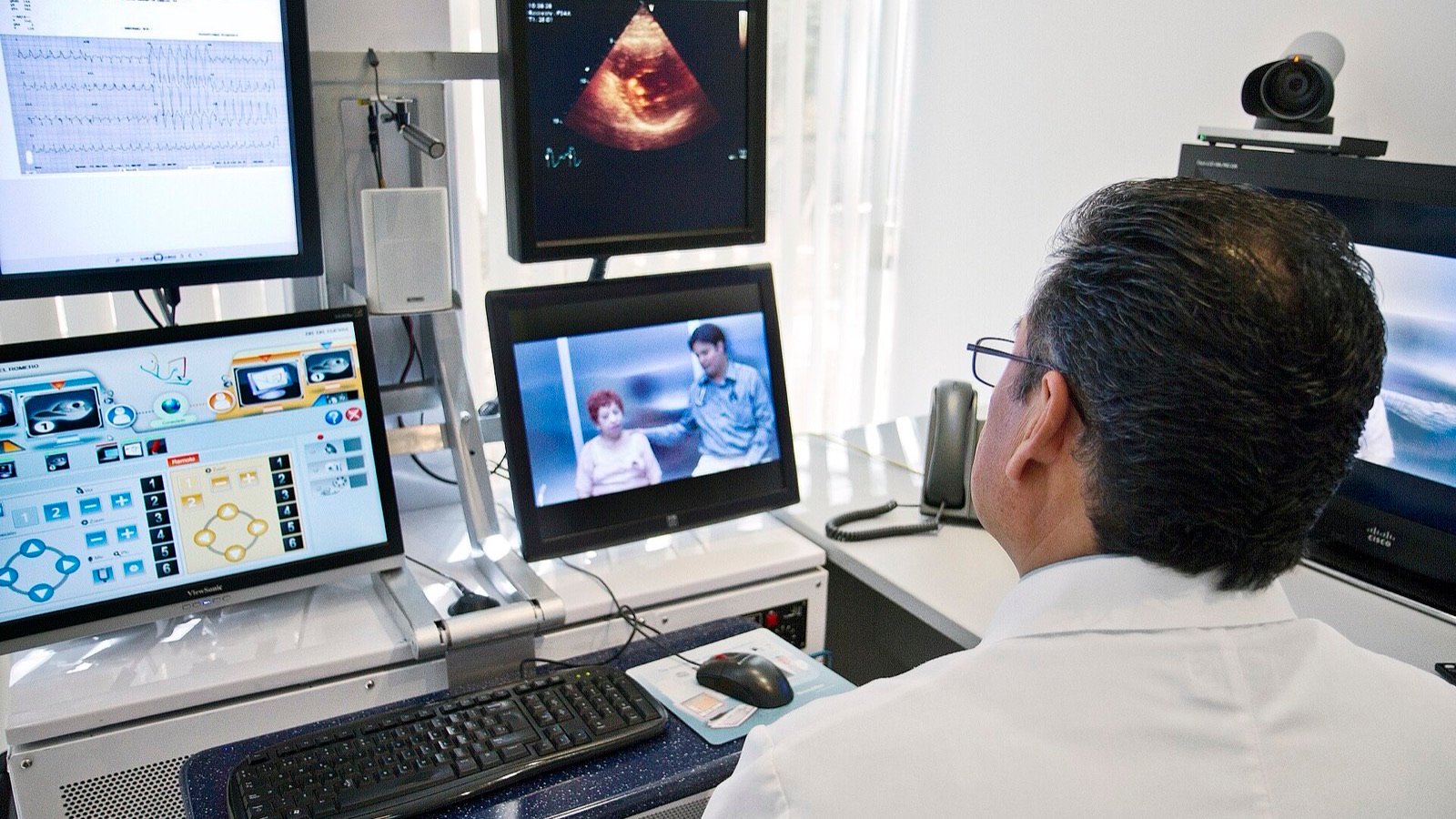
Medicare’s pandemic-era telehealth rules are set through the end of 2027, but two nearer deadlines will shape how virtual care is delivered and billed over the next 14 months. A billing change for rural health clinics and community health centers took effect on October 1, 2026, and the Drug Enforcement Administration’s (DEA) allowance for prescribing controlled medications by telemedicine without a prior in-person visit runs only to December 31, 2026.
What Congress extended
The Consolidated Appropriations Act, 2026 (H.R. 7148), signed into law on February 3, 2026, extended Medicare telehealth flexibilities for two years, through December 31, 2027, under Section 6209 of the act, according to the American Medical Association (AMA). The AMA said the extension restored continuity of care after a 43-day lapse in the flexibilities during the 2025 government shutdown.
The Centers for Medicare & Medicaid Services (CMS) spelled out what that means in a telehealth FAQ updated on October 8, 2026. Through December 31, 2027, beneficiaries can receive Medicare telehealth services anywhere in the United States and its territories, including at home; audio-only visits remain covered in patients’ homes; physical therapists, occupational therapists, speech-language pathologists and audiologists may continue to bill for telehealth; and rural health clinics (RHCs) and federally qualified health centers (FQHCs) may continue to bill for non-behavioral health services delivered by telehealth, the FAQ says.
The in-person visit requirement for mental health telehealth is also deferred. Section 1834(m) of the Social Security Act requires an in-person, non-telehealth visit within six months before a first mental health telehealth service, but CMS says the requirement takes effect only after December 31, 2027. Patients who began mental health telehealth at home on or before that date will be treated as established and will instead need an in-person visit every 12 months, according to the FAQ. A summary by the law firm Baker Donelson adds that telehealth may still be used for the face-to-face encounter required before hospice recertification.
The same law extended the Acute Hospital Care at Home waiver, which lets hospitals deliver inpatient-level care in patients’ homes, for five years. The AMA cites Section 6210 of the act; Baker Donelson gives the new end date as September 30, 2030. CMS also said claims from the lapse will be paid as they were before October 1, 2025, with the flexibilities applied retroactively.
A billing change already in effect
From October 1, 2026, RHCs and FQHCs can no longer report HCPCS code G2025, the single code they had used for non-behavioral telehealth. The CMS FAQ says they must instead bill the individual CPT or HCPCS code that describes the distant-site service, together with the appropriate telehealth modifier.
A second coding change arrives on January 1, 2027, when CMS will require two new modifiers, BB and BC, on telehealth claims; the FAQ says they carry no payment implications. According to the law firm Health Law Alliance, the modifiers identify services billed through a contracted virtual platform or furnished incident to a physician’s service.
The DEA deadline comes first
Separately from Medicare, the DEA and the Department of Health and Human Services (HHS) published a fourth temporary extension of their telemedicine prescribing flexibilities in the Federal Register on December 31, 2025. The rule, effective January 1 through December 31, 2026, lets DEA-registered practitioners prescribe Schedule II through V controlled substances by telemedicine to patients they have never evaluated in person, provided the prescription is for a legitimate medical purpose. The agencies said the extension gives them time to finalize permanent rules, including a proposed special registration for telemedicine published in January 2025 that drew more than 6,475 public comments.
In the rule, the DEA estimated, using unpublished data, that about 7 million of the 44.6 million controlled-substance prescriptions issued in 2024, roughly 16 percent, were written without a prior in-person evaluation. It also cited a 24 percent drop in Medicare fee-for-service telemedicine visits in the first 17 days after the Medicare flexibilities lapsed at the end of September 2025.
Why it matters
For patients, Medicare telehealth works through 2027 as it has since 2020: visits from home, by video or phone, with a wider range of clinicians, and without the rural-only limits that applied before the pandemic. The FAQ also spells out the default if Congress does not act again. Starting January 1, 2028, beneficiaries will generally need to be in a medical facility in a rural area for non-behavioral telehealth, therapists and audiologists will lose the ability to furnish telehealth, and audio-only visits will be limited to behavioral health care under specific conditions.
For clinicians and health systems, the nearer deadlines carry more operational weight. RHCs and FQHCs had to retool their claims this month, all telehealth billers face new modifiers in January, and prescribers who rely on telemedicine for controlled medications have no federal authority beyond December 31, 2026 unless the DEA finalizes its permanent rule or extends the flexibility again.
What to watch
The DEA and HHS said the one-year extension is meant to allow an orderly transition to permanent regulations; without a final rule or a fifth extension, the telemedicine prescribing flexibility ends on January 1, 2027. The AMA said it continues to seek permanent authorization of the Medicare flexibilities, which now expire at the end of 2027.
This article is for general information and does not replace advice from a qualified clinician. Corrections: email the editor using the address on the Contact page.