Huawei showcased its HUAWEI WATCH D3, a wrist-worn blood pressure monitor with an inflatable airbag in the strap, at the ISH-ECS 2026 hypertension meeting in Dubai, the company said in a press release distributed Oct. 26. The device, launched in Europe in September, is Huawei’s third generation of cuff-based blood pressure watch, and the announcement comes as the company separately opens a research-only diabetes risk feature to owners of its Watch GT 7 series in selected markets.
ISH-ECS 2026 combined the 31st International Society of Hypertension Scientific Meeting and the 17th Emirates Cardiac Society Annual Conference and ran from Oct. 22 to 25, according to the company announcement. Huawei, an ISH member according to the release, offered hands-on demonstrations at its exhibition area and a keynote by Gong Yuansong, vice president of its smart wearable and sports health product line.
What the watch does
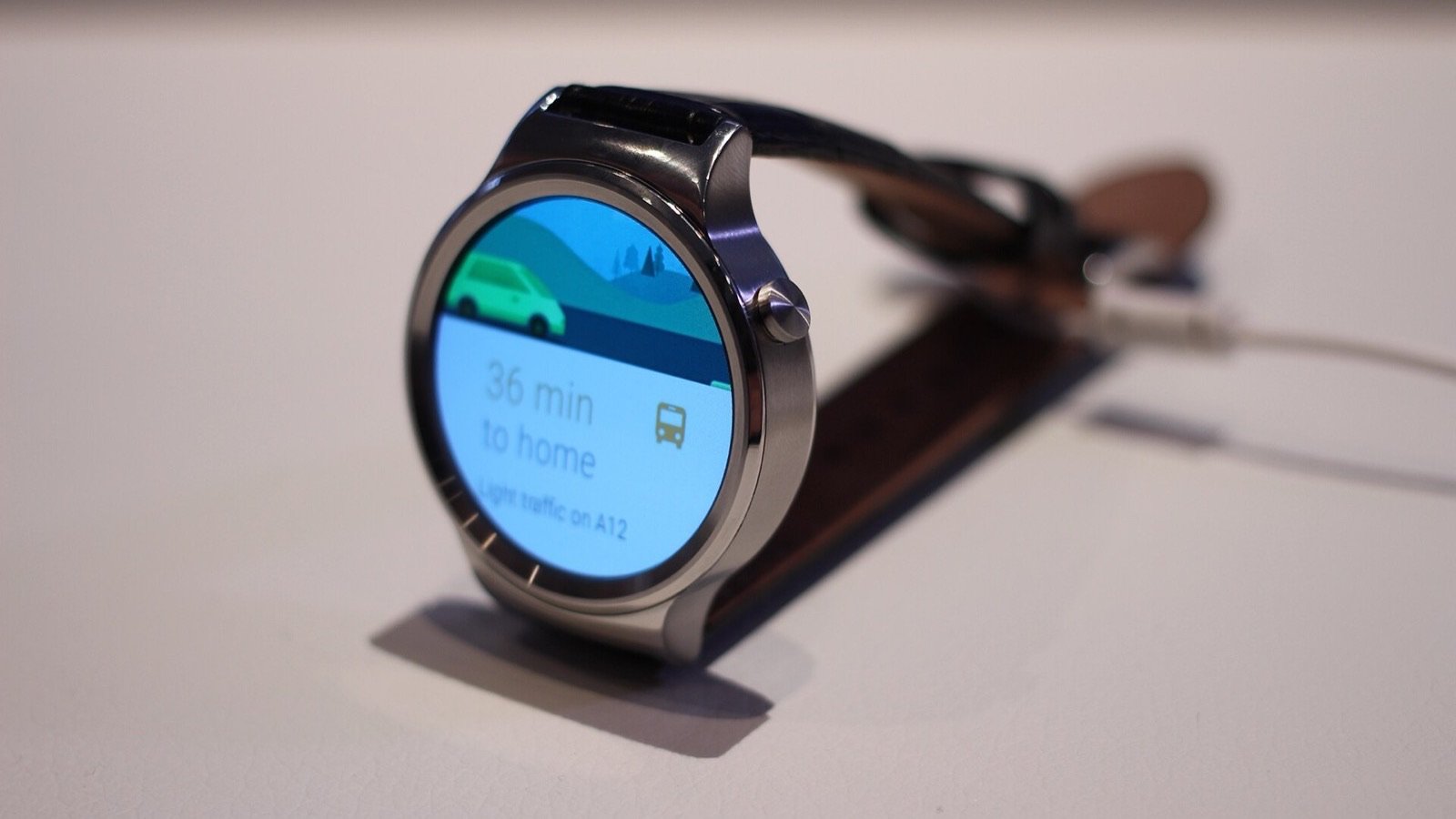
The Watch D3 measures blood pressure with what Huawei calls “ultra-narrow airbag oscillometric measurement technology”: a mechanical airbag and pressure sensor in the strap, rather than an estimate derived from the optical pulse signal. Huawei’s UK product page lists the watch as “CE-MDR-Certified as a Medical Device” and describes a 24-hour automatic monitoring plan that produces daytime, night-time and 24-hour average readings, shareable through the Huawei Health app. Battery life is rated at up to six days in typical use, falling to about one day with 24-hour monitoring enabled.
The press release singles out one function for its regulatory status: a pre- and post-exercise mode that tracks how blood pressure responds to physical activity, which Huawei says is the first of its kind in the industry to receive EU CE certification under the Medical Device Regulation (MDR) and Class II medical device registration in China. The release does not cite a published validation study for the D3 itself; instead it points to guidelines that recognize validated wrist-worn oscillometric devices in general, including China’s 2024 hypertension guidelines. It makes no mention of U.S. Food and Drug Administration clearance.
According to the5krunner, Huawei launched the D3 on Sept. 2 at an event in Munich, with UK retail availability from Sept. 23 at a recommended £399.99. The press release gives no pricing or availability for the Gulf region.
Studies and a research fund
Huawei also promoted what it calls the Minimally Disruptive ABPM Study, run with Ruijin Hospital of Shanghai Jiao Tong University School of Medicine, which pairs all-day optical photoplethysmography (PPG) monitoring with airbag-based calibration readings in an attempt to cut the number of cuff inflations in a 24-hour ambulatory session from 27 to seven. The company said the study will expand to Saudi Arabia and Malaysia through local research institutions.
Huawei also said it has set up a Wearable Blood Pressure Technology Innovation Fund with the ISH, with the first three funded projects chosen from more than 80 applications. Professor George Stergiou, president of the ISH, is quoted in the release describing the D3 as “a novel, reliable wearable device that provides insights into blood pressure profiles and patterns,” and saying that the European Society of Hypertension and the ISH “encourages the clinical use of validated wrist-cuff blood pressure monitors,” while calling for further research.
Diabetes risk on the Watch GT 7
Separately, Huawei is rolling out a Diabetes Risk Study to Watch GT 7 and GT 7 Pro owners in selected markets through an over-the-air update, Gadgets & Wearables reported on Sept. 30. The feature uses pulse-wave signals from the watch’s optical PPG sensor together with age, sex, height and weight to produce a risk estimate after three to 14 days of wear; it does not measure blood glucose. Huawei’s Malaysian product page says the study “is initiated by Universiti Malaya and is not a medical feature,” that users must take part through the HUAWEI Research app, and that “the evaluation results are for reference only.” The study, Huawei adds, “cannot replace diabetes diagnosis.”
The Dubai release does not mention the GT 7 study, but it quotes Professor Maryam Al Saeed of Mohammed Bin Rashid University of Medicine and Health Sciences saying that Dubai Health and Huawei are collaborating on “a clinical research initiative to evaluate non-invasive wearable technology for earlier diabetes risk.”
Why it matters
Twenty-four-hour ambulatory monitoring is demanding: Huawei’s own product page cites European Society of Hypertension guidance calling for readings every 15 to 30 minutes, day and night. A wrist device that inflates automatically during sleep is an attempt to make that protocol more tolerable, and the ISH president’s endorsement of validated wrist-cuff monitors is notable coming from the society itself.
For clinicians, the distinction between the CE-marked blood pressure functions and the research-only diabetes risk estimate is the key point. Huawei’s own warnings tell users to “NEVER diagnose, treat yourself, or adjust medications based on the readings,” and state that the device “has not been validated for use on newborn babies or pregnant individuals.”
The caveats
This is a company announcement, not a peer-reviewed study, and all quotes come from Huawei’s release or product pages. The release ties the CE MDR and Chinese Class II certifications specifically to the exercise mode and gives no device-specific accuracy data. The Minimally Disruptive ABPM Study has not reported results, and the Diabetes Risk Study is explicitly “not a medical feature” and available only in certain markets.
This article is for general information and does not replace advice from a qualified clinician. Corrections: email the editor using the address on the Contact page.