The U.S. Food and Drug Administration has cleared Motivista, a prescription smartphone app from Click Therapeutics, for treating the negative symptoms of schizophrenia, the company announced on October 5, 2026. The company says it is the first FDA-authorized treatment indicated specifically for those symptoms, which include low motivation, a reduced ability to feel or anticipate pleasure, and social withdrawal.
The clearance came through the FDA’s 510(k) pathway. Motivista, previously known as CT-155, is indicated as an adjunct to clinician-managed outpatient care, including antipsychotic medication, for patients aged 18 and older whose positive symptoms, such as hallucinations and delusions, are clinically stable. It is not intended to be used on its own, for acute symptoms, or in patients under 18, according to the company’s release.
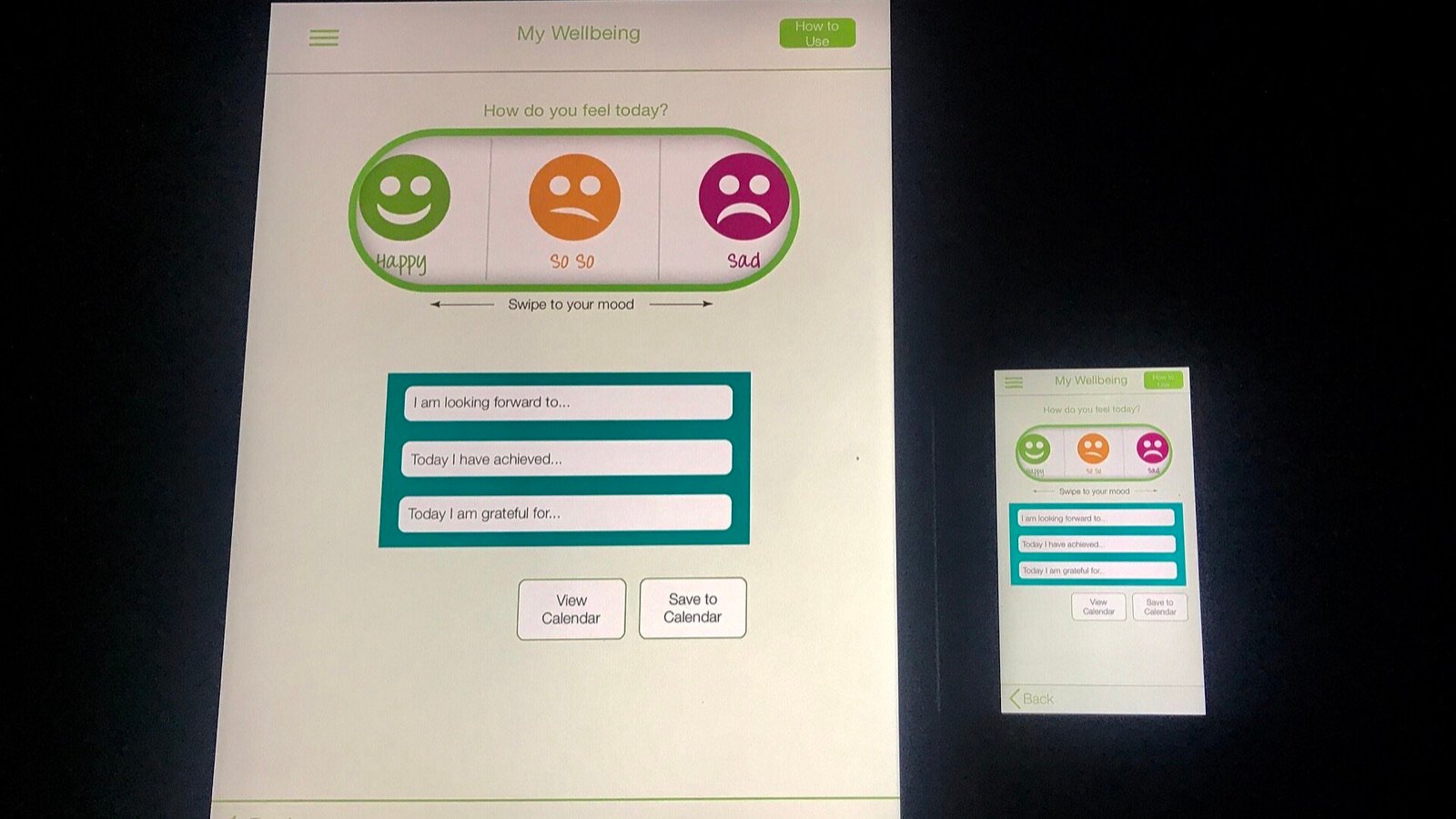
The app delivers a 16-week program drawn from cognitive behavioral therapy, including cognitive restructuring, behavioral activation, social skills training and positive affect training, through lessons, goal setting, activities and daily check-ins, Healio reported. Trial participants spent about one hour a week on it, which the company compares with the time commitment of in-person psychotherapy.
The trial behind the clearance
The clearance rests on CONVOKE, a phase 3 randomized trial whose peer-reviewed results were published in JAMA Network Open on September 25, 2026. The multicenter, double-blind trial ran at 66 U.S. sites between March 31, 2023, and June 20, 2025, and randomized 457 adults with schizophrenia who were taking up to two antipsychotics and had moderate-to-severe negative symptoms of motivation and pleasure. Participants received either CT-155 or a digital control app for 16 weeks. The trial was funded by Boehringer Ingelheim, which co-developed the app with Click Therapeutics, and several authors are employees of the two companies.
On the primary outcome, change in the motivation and pleasure subscale of the Clinical Assessment Interview for Negative Symptoms (CAINS-MAP), scores fell by 6.8 points in the CT-155 group and 4.2 points in the control group at week 16, a difference of 2.6 points (95% CI, 1.2 to 4.0). The effect size, a Cohen’s d of 0.36, is described by the authors as small to moderate. Healio reported that participants had a mean age of 45.8 years and that 60.6% were men.
Several secondary measures did not separate from control. There was no significant difference at week 16 on the positive symptom subscale of the PANSS or on the CAINS expressive symptoms subscale, and a patient-rated global improvement measure was significant at week 8 but not at week 16. A post hoc analysis found the benefit concentrated in the social and recreational domains rather than in work-related motivation.
Serious adverse events occurred in three of 228 participants (1.3%) using CT-155 and five of 231 (2.2%) using the control app, none judged related to treatment. According to the company’s release, one participant had two “psychotic disorder” events considered possibly related to Motivista; neither led to discontinuation. Through week 15, 70.4% of Motivista users and 76.5% of control users maintained strong adherence.
Why it matters
Existing schizophrenia treatments mainly target positive symptoms, and negative symptoms are among the most disabling and hardest-to-treat features of the illness, Psychiatric Times noted. Access to psychosocial treatment alongside medication is also limited. “Motivista complements, rather than replaces, clinician-managed care,” Tam Dang-Tan, PhD, vice president of medical affairs at Click Therapeutics, told Healio. He added that the app “is not designed for real-time patient monitoring.”
Whether patients can get it will depend on coverage. Dang-Tan told Healio that Medicaid covers a large share of adults with schizophrenia, so state-level decisions will matter, and the company is seeking the same protected-class status that antipsychotics have under Medicare Part D and many state Medicaid programs. No launch date or price has been announced. “This FDA authorization represents an important step forward for a patient population that has long been underserved,” David Benshoof Klein, founder and CEO of Click Therapeutics, said in the release.
The caveats
The trial was industry-funded and run by the app’s developers, and the authors note that secondary analyses were not adjusted for multiple comparisons. Enrollment was limited to the United States and required smartphone access and stable housing, which may not reflect many people living with schizophrenia. The company says the app should not be prescribed to patients at serious risk of suicide, those with unmanaged positive symptoms, or those whose cognitive impairment prevents independent use, and it cannot alert a prescriber if a user worsens. An open-label extension study (NCT06067984) is collecting longer-term data on engagement and durability of effect.
This article is for general information and does not replace advice from a qualified clinician. Corrections: email the editor using the address on the Contact page.